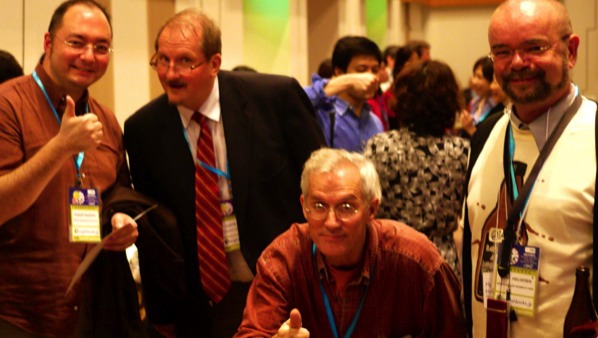
We have a fantastic lineup of presenters this year!
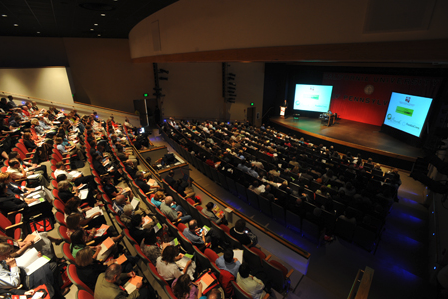
FAB8: Kyoto
Annual
International NeuroELT Conference
September
25-27, 2015
Friday, Sept. 25, 2015
|
START |
END |
EVENT |
ROOM |
|
16:30 |
18:30 |
Robert
Murphy –“Advanced neuroELT workshop” (for Certificate,
Alums, and Presenters) |
301 |
|
16:30 |
18:30 |
Training for presenters - Curtis Kelly, Marc
Helgesen |
302 |
Saturday, Sept. 26, 2015
|
START |
END |
EVENT |
ROOM |
|
9:00 |
9:45 |
Early-bird events (networking, yoga, meditation,
Kyoto walk) |
|
|
9:45 |
9:55 |
Opening - Tom Gorham & Graham Jones (MCs) |
Main |
|
9:55 |
10:45 |
Curtis Kelly - "Why our Brains Love
Stories" |
Main |
|
10:45 |
10:55 |
Energy break, healthy snack – Steve
Jugovic |
Main |
|
|
|
|
|
|
11:00 |
11:50 |
CONCURRENT BLOCK 1 |
|
|
|
|
Kevin
Maher (50) - "Neuro-Connectors: A Focus on Selective Attention" |
Main |
|
|
|
Rick Eller (20) - "Utility for
Rory’s Story Cubes in the EFL classroom"; Matthew Vetrini
(20) - "Student Engagement: Using Brookfield’s Critical Incident
Questionnaire" |
301 |
|
|
|
James
Dunn (50) - "Psychology and Reading Comprehension Strategies: A
Metacognitive Method" |
302 |
|
|
|
UnConference
Session 1: discussion |
303 |
|
|
|
|
|
|
11:55 |
12:00 |
Energy break |
|
|
12:00 |
13:00 |
Plenary: Amanda Gillis-Furutaka -"The
Neuroscience of Music: Is There More to Music than Meets the Ear?" |
Main |
|
13:00 |
14:00 |
Discussion lunch; Presentations for students in 301, Marc
Helgesen "A students' DIY guide for making classes
more brain-friendly" |
|
|
14:00 |
14:15 |
Discussion Lunch Reporting |
Main |
|
14:15 |
14:55 |
BOOK / CONCEPT TALKS Karlene Blackburn
- "The Teaching Brain" by Vanessa Rodriguez; Greg Rouault – "Visible
Learning for Teachers: Maximizing Impact on Learning" by John Hattie; John Maune -
"Foster Positive Learning Beliefs" (poster); Yu Noel – “Flourish” by Martin
Seligman Jason Lowes – 'Educating the
Human Brain' by Posner and Rothbert |
Main |
|
14:55 |
15:00 |
Energy break |
|
|
|
|
|
|
|
15:05 |
15:55 |
CONCURRENT BLOCK 2 |
|
|
|
|
Tom Gorham (20) - "Leveraging
Prediction and Anticipation in ESL"; Olivia Kennedy (20) - "TPR,
Tolstoy and the fundamentals of English grammar: an action plan for the new
generation of junior high school students" |
Main |
|
|
|
Guy Cihi (20)
- "Gamification: Uncertain Rewards and Dopamine Production"; Warren Tang
(20) – “Metaphorically Speaking - Hurdles Teachers and Second Language
Learners Face” |
301 |
|
|
|
Erna
Sunarti, Era Lina Hadomi & Resti Wahyuni (50) - "Moving, Seeing, and Singing: Adapting
language teaching to students’ preferred modes of in-taking, processing, and
out-putting information" |
302 |
|
|
|
UnConference
Session 2: discussion |
303 |
|
|
|
|
|
|
16:00 |
16:10 |
A word from the MCs |
Main |
|
16:10 |
17:00 |
Tracey Tokuhama-Espinosa -
"Social Contagion" |
Main |
|
17:00 |
17:05 |
Energy break & snack |
|
|
17:05 |
17:20 |
Roundtable: Three takeaways |
Main |
|
17:20 |
18:00 |
Dono Nobis Pacem closing |
Main |
|
19:00 |
21:00 |
Party at Papa Jon's |
|
Sunday, Sept. 27, 2015
|
START |
END |
EVENT |
ROOM |
|
|
9:00 |
10:00 |
Early-bird events (networking, yoga,
meditation, Kyoto walk) |
|
|
|
10:00 |
10:10 |
Welcome back - MCs |
Main |
|
|
10:10 |
10:25 |
Pecha Kucha, Lesley Ito - "Neuro
Quackery in Showa Japan: Edison Bands to Brain Bread" |
Main |
|
|
10:25 |
10:50 |
Marc Helgesen (25) - "Hardwire
Happiness" |
Main |
|
|
10:50 |
10:55 |
Energy break, healthy snack |
Main |
|
|
|
|
|
|
|
|
11:00 |
11:50 |
CONCURRENT BLOCK 3 |
|
|
|
|
|
Steve Jugovic (50) - "Moving You
to Move Your Students: Intermittent Movement, Health and Cognition" |
Main |
|
|
|
|
Takashi Uemura (50) - "Neuro-CLIL:
Experimenting with neuroELT maxims in a Japanese tertiary CLIL context" |
301 |
|
|
|
|
Jeff Mehring
& Regan Thomson (20) - "Study Skills to Improve Testing Outcomes and
Enable Deeper Learning"; Mohammed Ahmed (20) - "Confidence
building in business presentation training: Applying neuroscience and
positive psychology" |
302 |
|
|
|
|
UnConference
Session 3: (Robert Murphy, Issues in
NeuroELT) |
303 |
|
|
|
|
Yoko Morimoto (50) - "Drama: Using
movements and emotions to enhance learning, memory, physical and
psychological well being" |
3-B |
|
|
|
|
|
|
|
|
11:55 |
12:00 |
Energy break |
|
|
|
12:00 |
13:30 |
Plenary: Tracey Tokuhama-Espinosa
-"The Science in the Art of Teaching: New Discoveries in Neuroscience
that Influence Education" |
Main |
|
|
13:30 |
14:30 |
Discussion lunch; Presentations for Students in 301 (panel) |
|
|
|
14:30 |
14:40 |
Discussion Lunch Reporting |
Main |
|
|
|
|
|
|
|
|
14:40 |
15:30 |
CONCURRENT BLOCK 4 |
|
|
|
|
|
Junko Omotedani
(50) - "What Metacognitive Knowledge will Help Language Learners?
Implications from NeuroScience" |
Main |
|
|
|
|
Spencer Robinson (50) - "English
as Therapy" |
301 |
|
|
|
|
Jorge Correa (50) - "Let's break
and move: Learning English in a brain-compatible way" |
302 |
|
|
|
|
Marc Helgesen (20) - "Power Poses
+ Positive Self-Talk and Linguistic Distancing"; UnConference
Session 4: (on
moving, Marc) |
303 |
|
|
|
|
Umes Shresthra – “Brain Rules for Teachers” |
3-B |
|
|
|
|
|
|
|
|
15:35 |
15:45 |
A word from the MCs |
Main |
|
|
15:45 |
15:55 |
Energy break |
|
|
|
15:55 |
16:45 |
Joseph Shaules - “Ecosystems of
Learning: Complexity Theory in SLA" |
Main |
|
|
16:45 |
17:00 |
Roundtable: Three takeaways |
Main |
|
|
17:00 |
17:05 |
Closing |
Main |
|